
Your website often introduces the business before a conversation happens. Visitors should be able to identify what you offer, who you help, where you work and how to contact you without decoding vague copy or navigating a maze.
Give the site a clear structure
A small business site may need a focused home page, individual service pages, an about section, useful answers to common questions and contact details. Use page names people recognize. Keep the main navigation short and make related pages easy to reach through contextual links.
Write content that answers real questions
Explain what each service includes, who it is for, how the process works and what influences price or timing. Use specific examples the business can support. A clear headline and descriptive subheadings help readers scan, while short paragraphs make details easier to absorb on a phone.
Design for phones first

Check that text is readable, buttons are easy to tap and the layout does not require sideways scrolling. Keep phone and enquiry actions visible, label form fields and show helpful error messages. Test the complete contact journey, including the confirmation after submission.
Build trust and accessibility into the experience
- Use real business details, current photos and accurate claims.
- Keep adequate color contrast and visible keyboard focus.
- Add useful alternative text to informative images.
- Use descriptive link labels instead of repeated “click here” text.
- Make contact and privacy information easy to find.
Keep performance and search basics in view
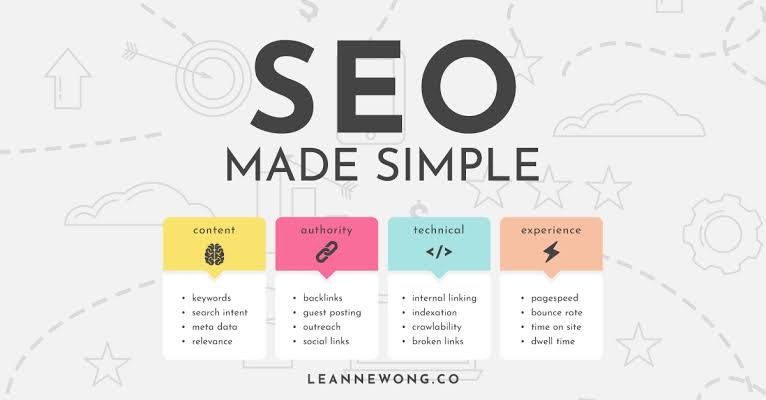
Compress images, limit unnecessary scripts and use a reliable hosting setup. Give each page a distinct title and description, use a logical heading hierarchy, and make important pages reachable through links. A sitemap can help discovery, but it does not replace a clear site structure or useful content.
Plan what happens after launch
Assign someone to update opening hours, services, prices and contact details when they change. Review forms and analytics periodically, back up the site, and use visitor feedback to prioritize improvements. A website is a working business tool, so maintenance belongs in the plan from the start.
Planning a new site or refresh? Consider how local search content and campaign landing pages fit into the structure, or talk with Dhilli Ads.